
V.A.P.E.P. Methodology Presentation

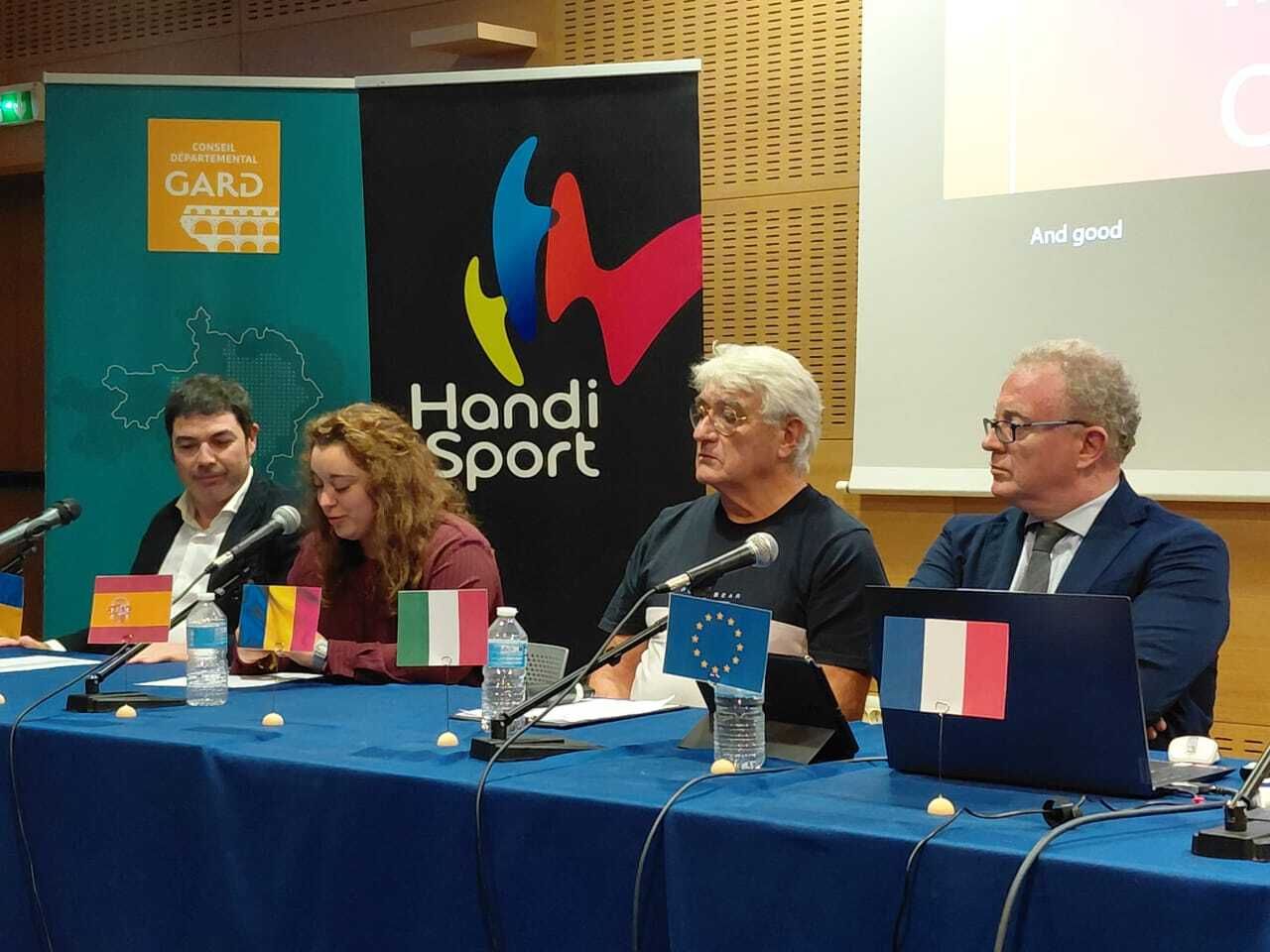
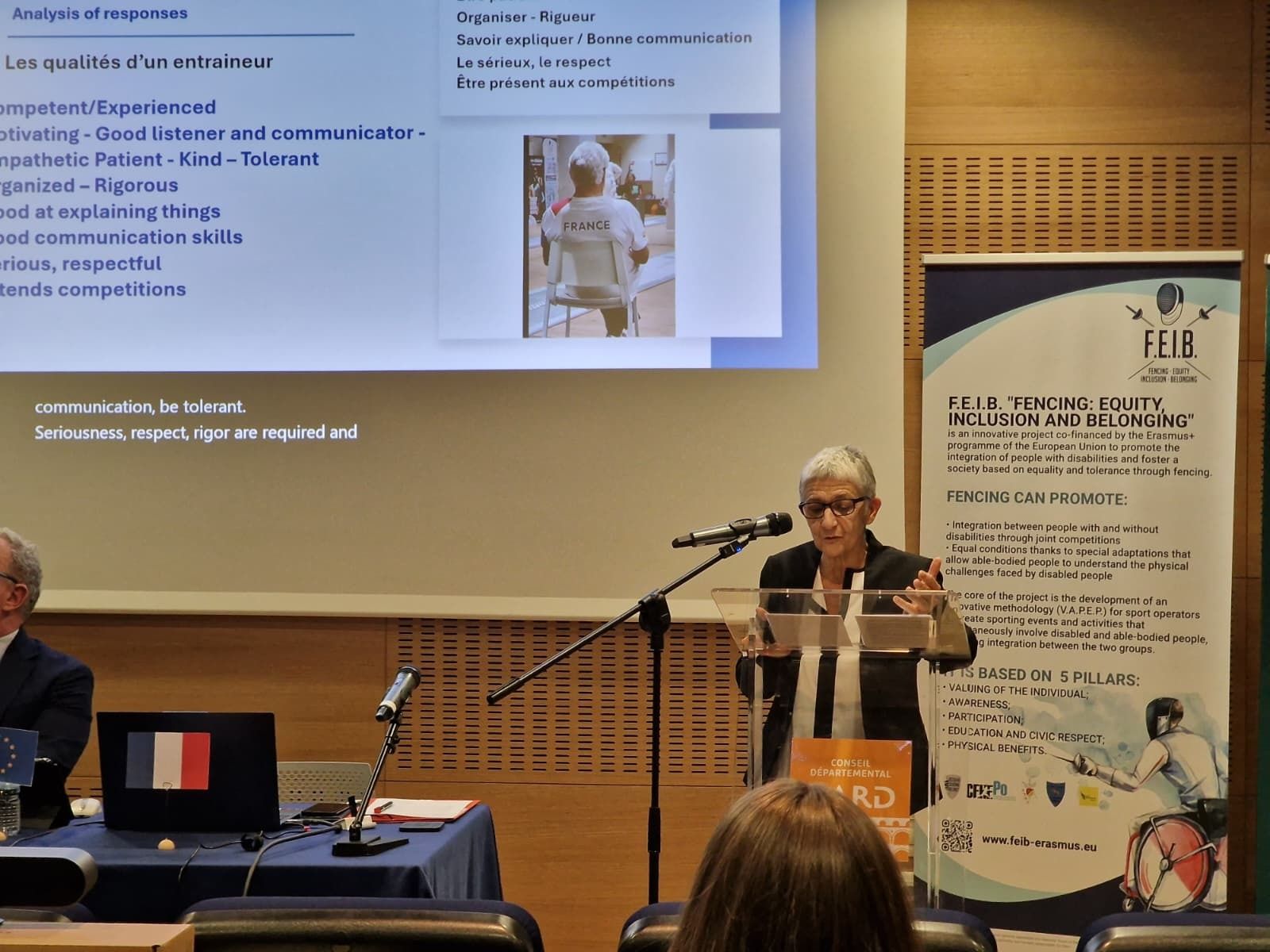
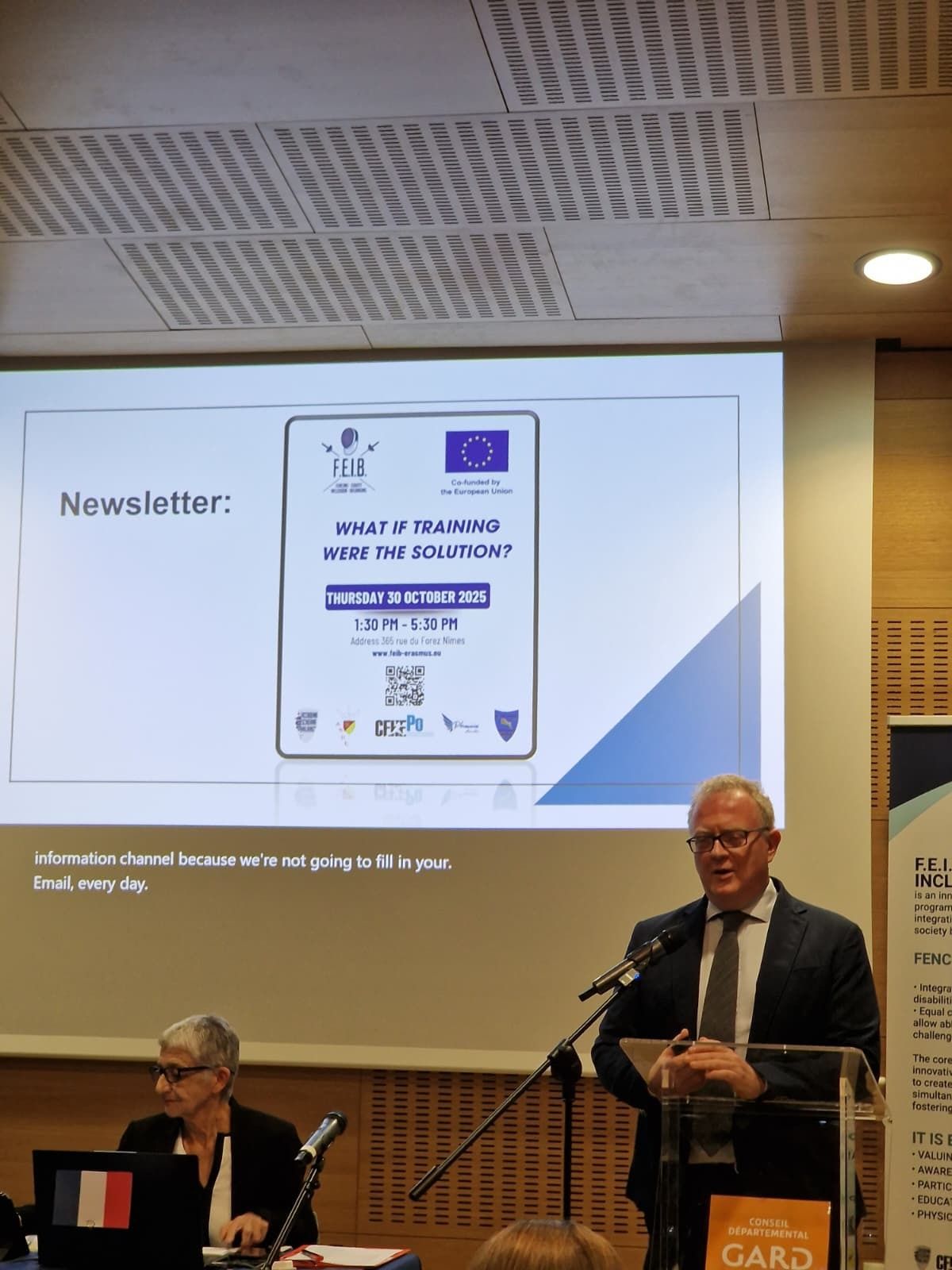
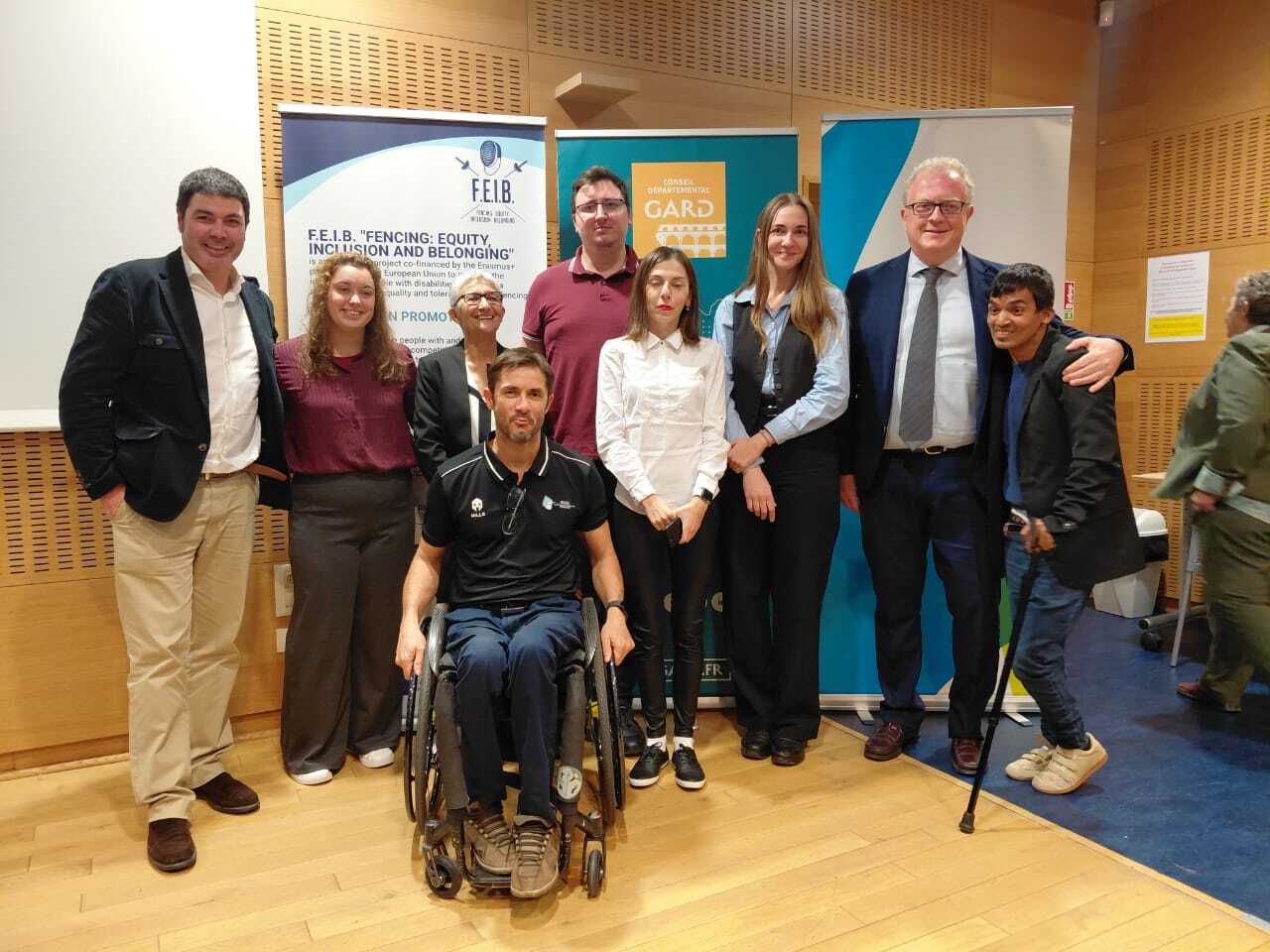
The event on 30 October was an important moment for FEIB. The five partner organisations came together to present the initial results of the project, in particular the research on Sport and Disability carried out in the spring and summer, and the V.A.P.E.P. methodology, the first and fundamental output of the project.
After the welcome by Nathalie Belpaume, representative of the ASSOCIATION SPORTIVE BOUILLARGUES ESCRIME (ASBE) and chair of the Gard disabled sports committee, and the introduction of the project by its coordinator, Lorenzo Radice, there were speeches by Cyril Moré, Paralympic champion, who first interviewed some athletes and then, in the third part of the event, interviewed some Fencing Masters.
This third session was entirely devoted to presenting the methodology, which was received with great interest by the audience in the room and those following the event remotely.
The V.A.P.E.P. methodology is a reliable reference for sports operators who wish to create integrated and inclusive fencing programmes. By emphasising personal development, awareness, effective participation, education, and civic respect, as well as improving physical well-being, this approach not only promotes integration between participants with and without disabilities but also contributes to enriching the entire sporting community.
“The V.A.P.E.P. methodology focuses on the enhancement of the individual, awareness, participation, education and civic respect, as well as social and physical benefits, and provides a systematic strategy for improving inclusion in fencing activities,” explains Lorenzo Radice, President of Accademia Scherma Milano and coordinator of the FEIB project. The methodology is intended for coaches, sports educators, club administrations and organisations wishing to develop inclusive practices in fencing. From now on, we will make every effort to disseminate it throughout Europe at all levels, in collaboration with the project partners and their respective national federations. At the heart of the methodology is a commitment to addressing the barriers, whether physical, social or perceptual, that can hinder the participation of people with disabilities. By offering a structured but flexible framework, V.A.P.E.P. aims to empower both athletes and instructors, ensuring that every fencing session becomes an opportunity for growth and meaningful connection.”
At the heart of the methodology is a commitment to addressing barriers whether physical, social, or perceptual, that may hinder the participation of people with disabilities. By offering a structured yet flexible framework, V.A.P.E.P. aims to empower both athletes and instructors, ensuring that each fencing session becomes an opportunity for growth and meaningful connection. The methodology is structured around five fundamental elements, each of which represents a key value in promoting a truly inclusive sporting environment:
Valuing the individual: recognising the abilities, talents and potential of each participant, regardless of their disability.
Awareness: explaining disability to able-bodied people.
Participation: adopting an ethical attitude based on listening, kindness and consideration for each person’s specific needs.
Fairness: eliminate all forms of discrimination. Adapt practices to allow everyone to participate actively and effectively. Promote integration, team spirit, personal improvement and selfesteem.
Physical benefits: develop motor skills, coordination, strength, endurance and balance.
These principles translate into recommendations, tools and concrete examples for fencing coaches/instructors.
This framework provides coaches and fencing masters with concrete tools to integrate the principles of inclusion, respect and diversity into their daily practices. The application of this rigorous and meaningful approach contributes significantly to building a more equitable, humane and diverse society.