
Fencing for All: The Benefits of Fencing for Disabled Athletes
Fencing is a sport that challenges the body and mind, but more importantly, it is a sport that can be adapted to athletes of all abilities. Whether in a wheelchair, visually impaired, or living with an intellectual disability, fencing provides a dynamic and inclusive environment where all athletes can thrive.
Through the F.E.I.B. project we are trying to share the believe that sport is a powerful tool for inclusion. Our aim is to make fencing accessible to everyone, reinforcing European values of equality, respect, and perseverance.
Physical and Motor Skill Development
Regardless of ability, fencing is an excellent way to improve coordination, strength, and reflexes. Adaptive fencing focuses on maximizing each athlete’s abilities while ensuring fairness in competition.
– For wheelchair fencers – Engaging the upper body and core improves strength, balance, and mobility.
– For blind fencers– The sport enhances spatial awareness, reaction time, and precise movement.
– For fencers with intellectual disabilities– Fencing develops motor control, rhythm, and focus, improving overall movement coordination.
Mental Agility and Strategic Thinking
Fencing is often called “physical chess” because it requires strategic planning, quick decision-making, and adaptability—skills that benefit all athletes, regardless of ability.
– Blind fencers develop enhanced sensory perception, using sound and touch to anticipate movements.
– Athletes with intellectual disabilities improve cognitive skills, such as focus, pattern recognition, and memory through structured training.
– Wheelchair fencers sharpen tactical thinking by controlling distance and timing while seated.
Confidence, Independence, and Empowerment
Sport is a powerful tool for building confidence and independence. Fencing helps disabled athletes develop:
– A strong sense of achievement – Mastering techniques and competing boosts self-esteem.
– Independence and personal growth – Athletes set and achieve goals, fostering self-reliance.
– Equal competition opportunities – Fencing classifications ensure fair play, allowing athletes to compete based on ability rather than disability.
Accessibility and Adaptability
Fencing is one of the most adaptable sports, allowing athletes with different abilities to participate with the right modifications:
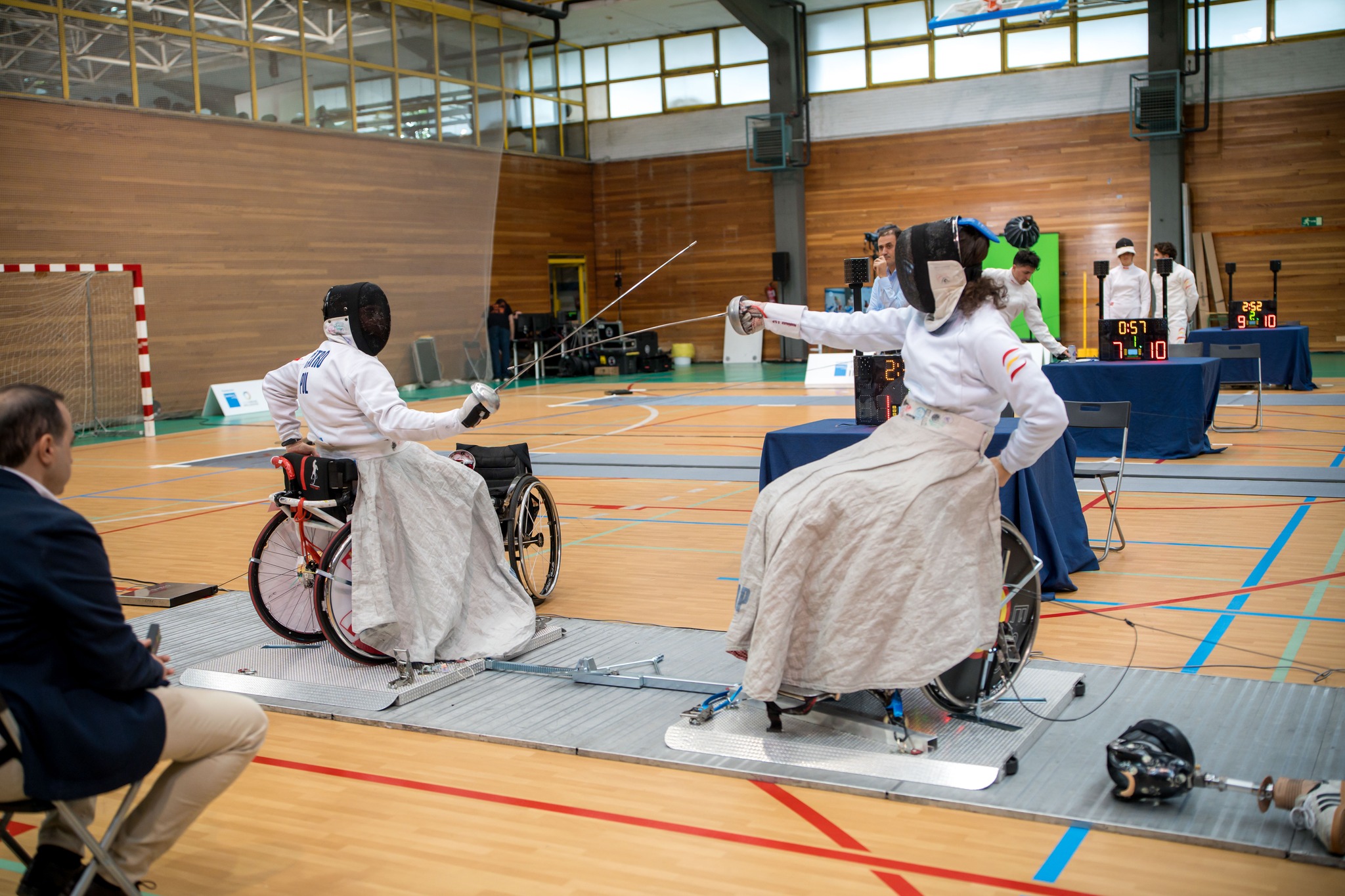
– Wheelchair fencing follows the same rules as standing fencing but is practiced from a fixed position, ensuring a level playing field.
– Blind fencing incorporates auditory cues and heightened sensory awareness, allowing visually impaired athletes to compete fairly.
– Fencing for athletes with intellectual disabilities focuses on clear instructions, structured training, and skill-building in a supportive environment.
By embracing diversity and inclusion, we help athletes of all abilities find confidence, strength, and a sense of belonging—core values of European sportsmanship.